





Planning any family trip is one of the most exciting experiences a family can look forward to, yet it often comes with a hidden layer of stress managing expenses.
From the moment you start thinking about your destination to the final day of your journey, costs can quickly spiral out of control if not handled carefully.
Many families begin their plans full of enthusiasm, only to find themselves overwhelmed by unexpected expenses or forced to compromise on important parts of their trip.
This is why understanding the financial side of planning any family trip is absolutely essential. A clear and well structured budget gives you control, reduces stress, and allows your family to fully enjoy the experience without constantly worrying about money.
With the right approach, you can balance comfort, fun, and affordability while creating unforgettable memories together.
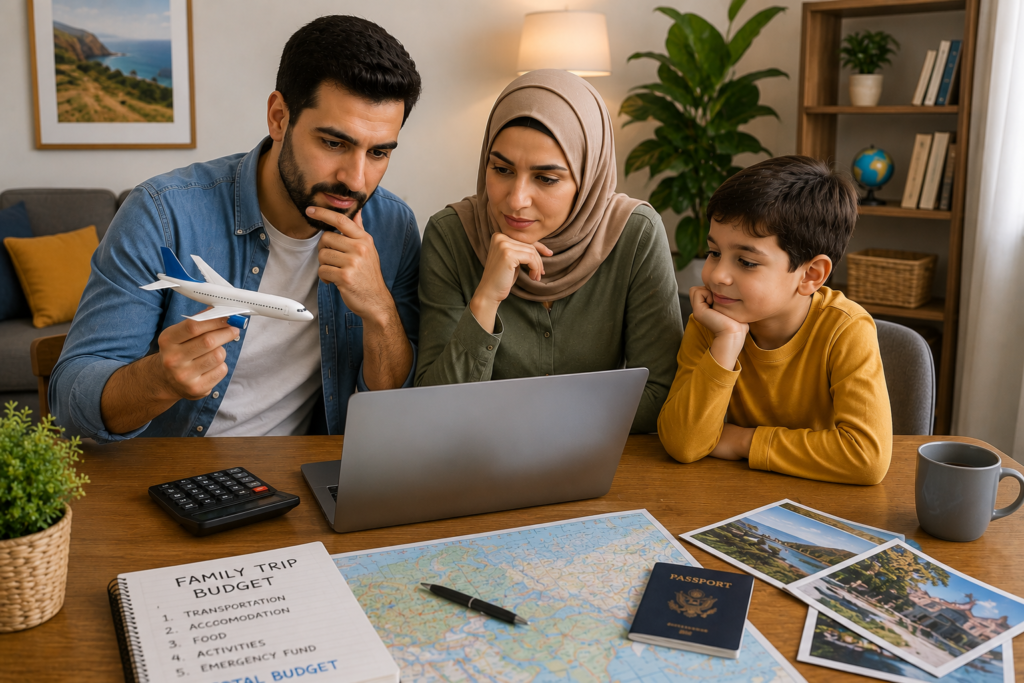
Step 1: Define a Realistic Total Budget
The foundation of any successful family vacation begins with setting a clear and realistic total budget. This step requires more than simply choosing a number it involves evaluating your financial situation carefully.
Consider your savings, monthly expenses, and how much you can comfortably spend without affecting your financial stability after returning home.

For families, this step is especially important because costs increase with each additional member. Transportation, food, tickets, and accommodation all multiply quickly. It’s also important to think about the type of experience you want.
A shorter, well planned trip with balanced spending is often far more enjoyable than a longer trip filled with financial pressure. Establishing a solid budget from the beginning sets the tone for smarter decisions throughout the process.
Step 2: Break Down Every Expense Category
Once your total budget is set, the next step is to divide it into clear and practical categories. This approach transforms your budget into a useful tool rather than just a number.
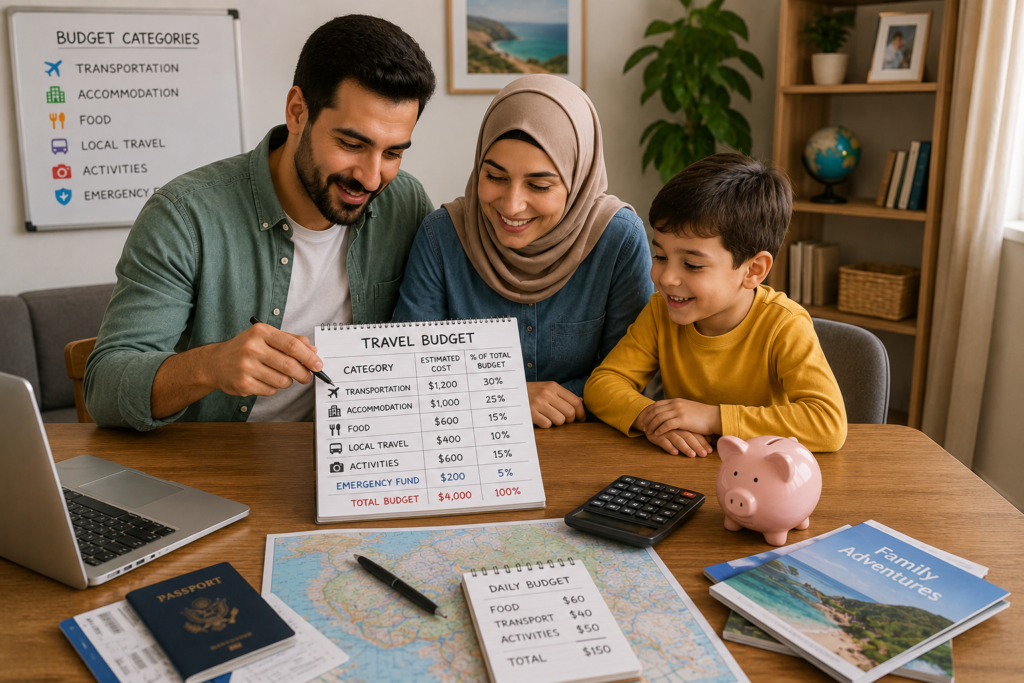
Key categories should include transportation, accommodation, food, local travel, activities, and a dedicated emergency fund.
For better control, many families find it helpful to assign approximate daily spending limits, especially for food and activities. This method prevents overspending in the early days of the trip and ensures that resources are distributed evenly.
It also gives you flexibility to adjust spending if needed, without losing control of the overall plan.
Step 3: Choose a Destination That Matches Your Budget
The destination you choose has a direct impact on your overall expenses. Instead of focusing only on popular or trending places, it’s smarter to look for to choose the right family vacation destination, meaning locations that offer strong value for families.
Some locations provide affordable accommodation, accessible attractions, and lower daily costs while still delivering a rich travel experience.
Timing also plays a key role. Traveling outside peak seasons can significantly reduce costs for flights and accommodation.
Additionally, less crowded destinations create a more relaxed environment, which is particularly important when traveling with children. A well-chosen destination can make your budget feel much more flexible.
Step 4: Make Smart Accommodation Choices
Accommodation is often the largest expense, but it also offers great opportunities to save money if approached wisely. Instead of booking standard hotel rooms, families can benefit from choosing apartments or family friendly rentals that provide more space and useful amenities.
Access to a kitchen, for example, can make a big difference in managing daily expenses. It allows you to prepare simple meals, store snacks, and maintain a routine that suits children.

Additionally, staying slightly outside the city center can lower costs significantly while still offering easy access to attractions through public transportation. The key is to find the right balance between comfort, location, and price.
Step 5: Manage Food Expenses Strategically
Food is an essential part of any trip, but it can easily become one of the biggest sources of overspending. A balanced approach is the most effective solution. Instead of eating every meal at restaurants, combine dining out with preparing some meals yourself.
This strategy works particularly well for families, as it provides flexibility and convenience. Children may not always adapt to restaurant schedules, and having snacks or simple meals ready can make outings smoother.
Exploring local markets and smaller restaurants away from tourist areas not only reduces costs but also offers a more authentic experience.
Step 6: Focus on Meaningful Activities
Creating memorable experiences doesn’t require constant spending. Many of the most enjoyable family moments come from simple, shared activities rather than expensive attractions.
Parks, beaches, cultural events, and walking tours can offer meaningful experiences at little to no cost.
Planning activities in advance allows you to prioritize what truly matters to your family. It also gives you the opportunity to book tickets online, where discounts are often available.
By focusing on value rather than price, you ensure that every activity contributes positively to your overall experience.
Common Mistakes to Avoid
One of the most common mistakes families make is overlooking hidden costs. Small expenses such as transportation within the destination, tips, snacks, and entrance fees can accumulate quickly and disrupt your budget if not anticipated.
Another important mistake is not setting aside an emergency fund. Unexpected situations are always a possibility, especially when traveling with children. Having a financial buffer ensures that these situations can be handled calmly without affecting the overall trip.
Overspending at the beginning of the trip is also a frequent issue. The excitement of the first few days can lead to impulsive decisions, leaving fewer resources for the rest of the journey. Maintaining a steady pace of spending helps ensure consistent enjoyment from start to finish.
Finally, relying on assumptions instead of proper research can lead to inaccurate planning. Checking real prices, comparing options, and reading reviews are essential steps that can significantly improve your budgeting accuracy.
At its core, travel is about connection, discovery, and shared experiences not financial stress. When your budget is carefully planned and thoughtfully managed, it becomes a tool that supports your journey rather than limiting it.
A well-balanced approach allows you to enjoy every stage of your trip with confidence and peace of mind.
By applying these strategies and staying mindful of your spending, you can transform the process of planning any family trip into a smooth and rewarding experience.
With the right preparation, your family can enjoy a journey that is not only memorable, but also financially comfortable and stress-free.