




Family travel can be exciting and full of memorable moments, but one of the most stressful situations for parents is dealing with unexpected changes such as delayed or canceled flights. Children often struggle to understand why they have to wait for long hours inside airports, especially when they are tired, hungry, or bored. That is why handling a flight delay requires calmness and flexibility more than anything else.
The real problem is not only the delay itself, but also how it affects children’s mood and daily routine. Children rely heavily on stability and familiar schedules, so sudden changes can quickly make them feel upset or anxious. Crowded airports, noise, and long waiting times can also reduce children’s patience and increase emotional stress.
Although delays are outside a family’s control, the way parents handle them can completely change the experience. Good preparation, organization, and the ability to keep children calm and occupied can greatly reduce stress and prevent the situation from becoming overwhelming for everyone.
Why Are Flight Delays Difficult for Children?
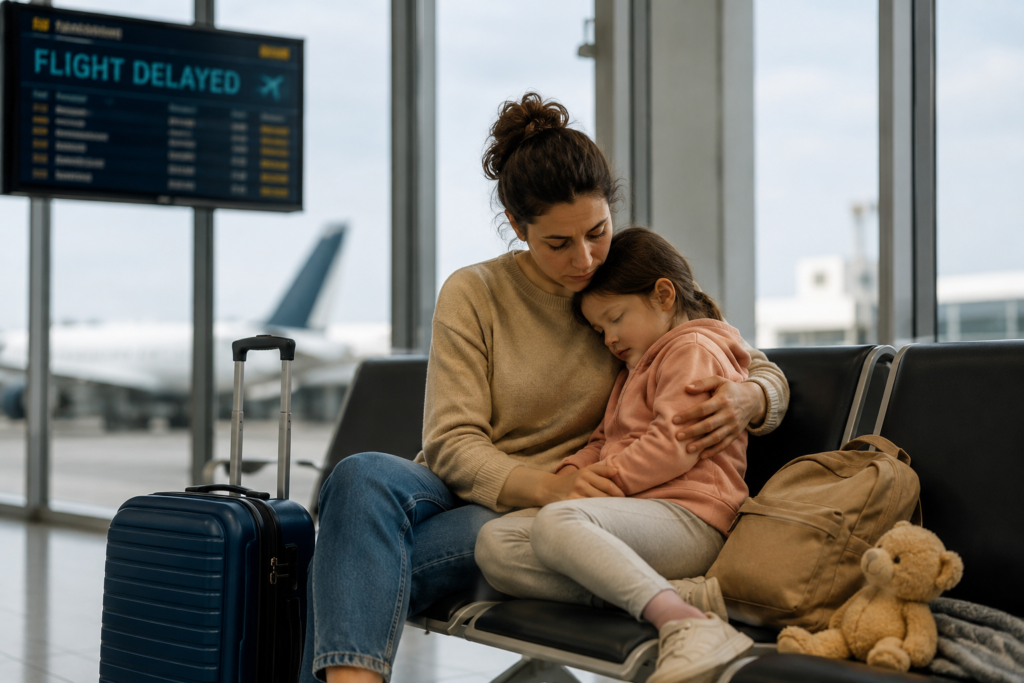
Children usually do not understand the idea of long waiting times or sudden schedule changes the same way adults do. For them, travel often means quickly arriving at a new destination, so spending hours waiting inside an airport can quickly lead to frustration and boredom.
Fatigue also plays a major role in emotional stress. Many delays happen during times when children normally need sleep, food, or rest, making them more sensitive and difficult to calm. The longer the wait becomes, the harder it is for children to manage their emotions.
In many cases, children are also affected by their parents’ emotions. When parents appear stressed, angry, or anxious because of delays, children often become more upset as well. That is why staying calm is one of the most important ways to reduce emotional pressure on children.
How to Keep Children Calm During Long Waits
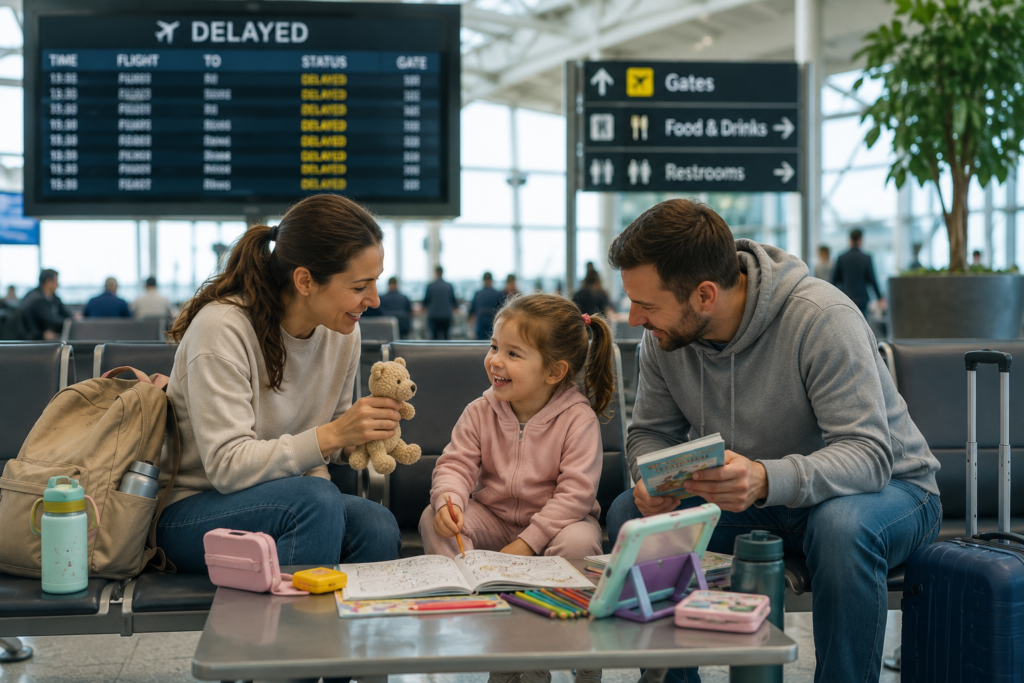
One of the best ways to reduce stress during delays is to keep children engaged with different activities instead of allowing boredom to take over. Children do not always need large toys or screens for hours. Simple activities such as drawing, storytelling, guessing games, or watching airplanes through airport windows can be very effective.
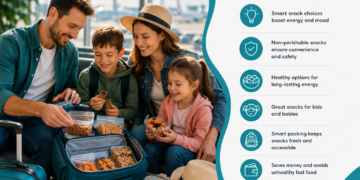
Food also plays a major role in improving children’s mood during waiting periods. Hungry children usually become more irritable and difficult to manage, which is why carrying snacks and water in hand luggage is extremely important.
Movement is equally important because sitting for long periods near airport gates increases boredom and frustration. Allowing children to walk around the airport or changing locations from time to time helps release energy and improves comfort.
In many situations, parents use the same entertainment methods they rely on during flying with kids, since children face similar challenges such as long sitting periods, waiting, and boredom.
The Importance of Mental Preparation Before Traveling
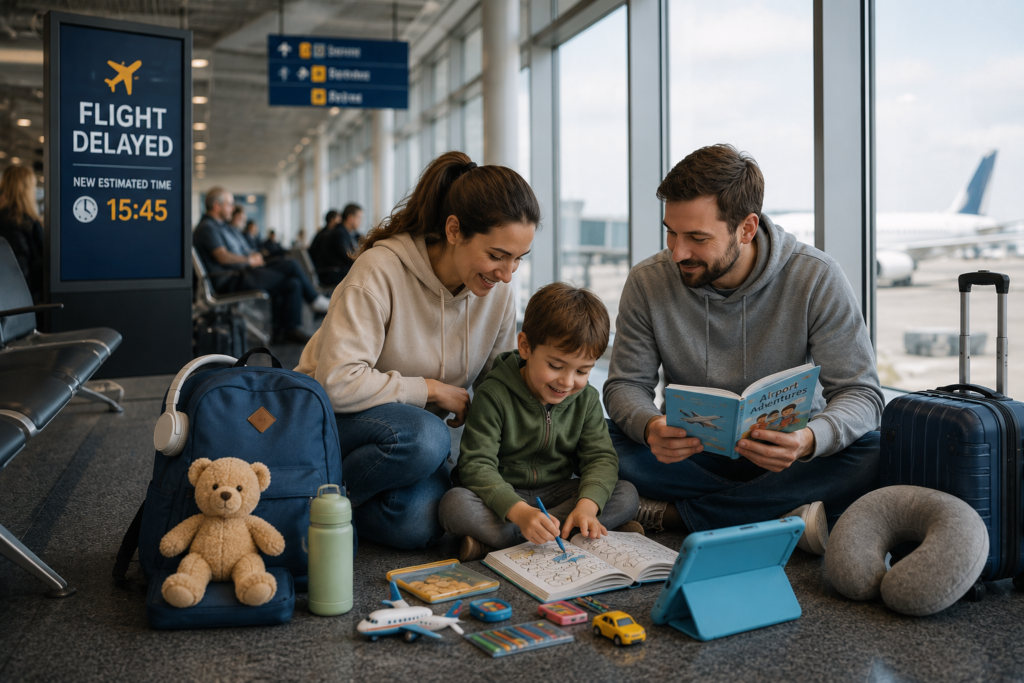
One of the most helpful things for families during delays is being mentally prepared for the possibility that travel may not always go exactly as planned. When parents expect that delays or changes can happen, dealing with them becomes easier and less stressful.
It is also helpful to explain the possibility of waiting to children before the trip, especially older children. When children understand that delays sometimes happen naturally during travel, they are often more accepting and less frustrated.
Having backup plans also gives families a stronger sense of control. Knowing where to find food, rest areas, or alternative flights can significantly reduce anxiety during unexpected situations.
What to Do When a Flight Is Completely Canceled
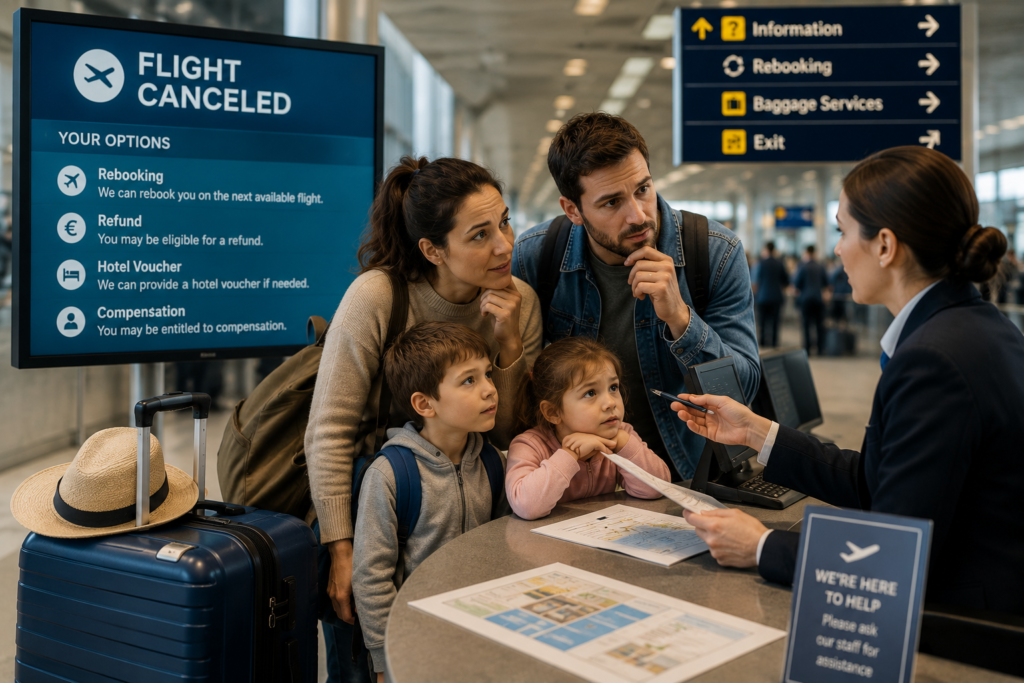
Flight cancellations are often more stressful than delays, especially when they happen late at night or while children are already exhausted. In these situations, parents should focus first on keeping children calm and comfortable before handling travel details.
It is better to find a quiet place away from crowds before searching for solutions such as rebooking or contacting the airline. During these moments, children need emotional security and calmness more than explanations about the problem itself.
Keeping essential items such as extra clothes, medicine, chargers, and snacks inside carry-on bags also becomes extremely important during cancellations because checked luggage may not be immediately available.
For families traveling in Europe, compensation rules and airline responsibilities may vary, which makes understanding European Flight Delays and Cancellations especially useful for frequent travelers.
How to Stay Calm as a Parent During Stressful Situations
Children often react to stressful situations based on their parents’ behavior. If parents appear angry or overwhelmed, children usually become more anxious very quickly. However, when parents stay calm and organized, children feel safer even during long waiting periods.
That is why it is important for parents to focus on what they can control instead of becoming angry about things outside their control. Delays are a common part of travel, and handling them calmly makes the experience easier for everyone.
Sharing responsibilities between parents can also help significantly. One parent can handle communication with airline staff while the other focuses on the children and their immediate needs.
Flight delays and cancellations can be among the most frustrating parts of family travel, but they become easier to manage when families are mentally and practically prepared. Children do not need perfect travel experiences as much as they need comfort, calmness, and a sense of security during stressful moments.
In the end, learning how to handle a flight delay is an important skill for families who travel frequently, because patience, flexibility, and good organization help transform stressful situations into manageable experiences.