




For many people, traveling is a moment of escape from daily routine, an opportunity to discover new places, experience different cultures, and create unforgettable memories. However, amid all this excitement, there is a hidden aspect that many overlook until it is too late: food expenses, which quietly accumulate and consume a large part of the travel budget.
At first, it may seem simple: a quick breakfast here, lunch at a restaurant near a tourist attraction there, and dinner after a long day of walking and exploring. But as the days pass, the numbers begin to rise unexpectedly, and what once seemed like “small details” becomes one of the biggest expense categories of the trip. The issue is not only cost, but also the fact that many of these expenses are unplanned, driven by fatigue, limited options, or the desire for quick comfort.
This is why it is important to think about food during travel in a completely different way: not just as a daily necessity, but as part of smart trip planning. With a few simple decisions before and during travel, it is possible to significantly reduce costs without losing the enjoyment or quality of the experience. On the contrary, you may even enjoy a more diverse and authentic experience by balancing eating out with managing part of your meals yourself.
Why Does Food Suddenly Become Expensive While Traveling?
The rise in food costs during travel does not come from a single factor but from a combination of interconnected reasons. First, you are in a new environment where you do not have a clear “price map,” so you do not know where to eat affordably and where prices are inflated. This often leads you to choose the closest or most visible restaurants, which are usually designed for tourists and charge significantly higher prices.
In addition, psychological comfort plays a major role. After a long day of sightseeing, the easiest decision is to enter the first available restaurant without comparison or research, especially when traveling with family or children. Over time, this behavior becomes a daily pattern, turning meals from planned choices into costly habits.
Lack of meal planning also makes the situation worse. When you do not know what you will eat during the day, you rely on quick solutions such as restaurants or ready-made meals, which are almost always more expensive than prepared or organized food options.
Choosing Accommodation: The Factor That Shapes Half Your Food Budget
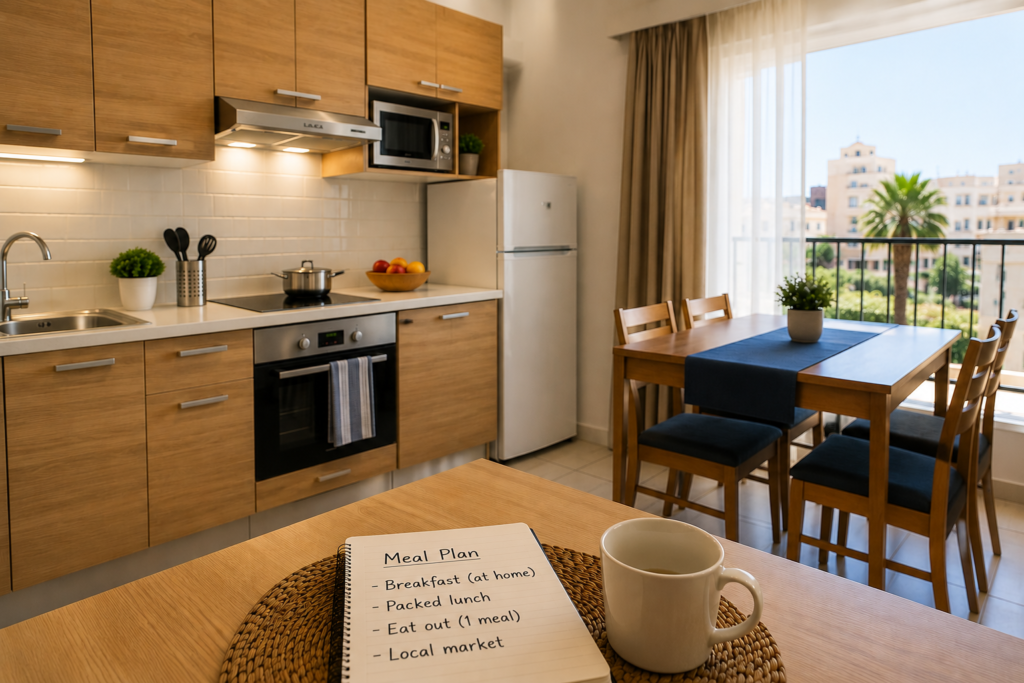
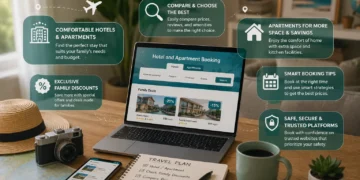
Many travelers focus on price or location when booking accommodation but overlook a very important factor: whether the place allows you to control your food expenses.
Accommodation with even a small kitchen can completely change your travel budget. Instead of relying entirely on restaurants, you can prepare simple breakfasts, make light meals in the evening, or even cook full meals on certain days. This directly reduces the number of times you eat out and lowers daily costs without creating any sense of deprivation.
In addition, having a kitchen encourages you to shop from local markets, which is itself a valuable travel experience. You get to explore local food culture, buy fresh ingredients at much lower prices than restaurants, and combine savings with cultural immersion.
Self-Cooking While Traveling: A Smart Strategy, Not a Burden
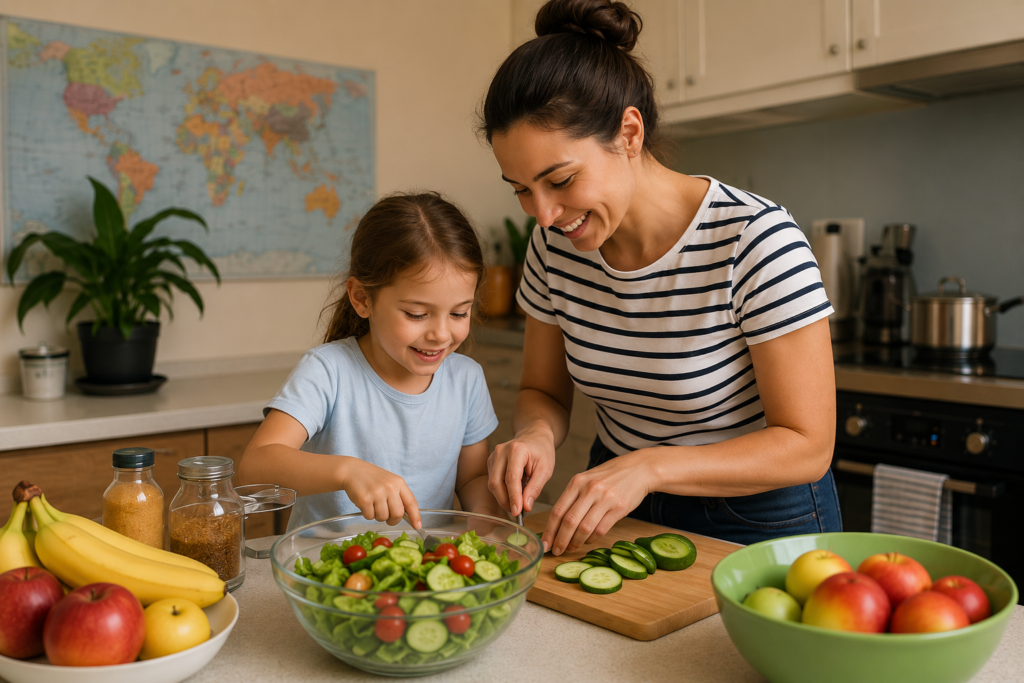
A common misconception is that cooking while traveling means sacrificing comfort or spending too much time in the kitchen. In reality, self-cooking during travel is not about preparing complex meals but about creating a smart balance between convenience and savings.
For example, you can prepare just one meal per day in your accommodation, usually breakfast because it is the simplest. This can be very basic: bread, eggs, cheese, fruits, or sandwiches. The goal is not variety, but reducing dependence on restaurants for every meal.
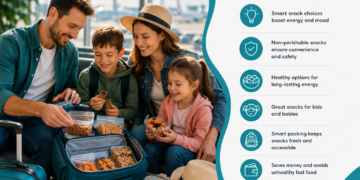
You can also prepare snacks to carry during outings, such as fruits, nuts, or sandwiches. This reduces the need for spontaneous food purchases while moving around. This approach not only saves money but also helps organize the travel day better, especially for families with children who need regular meals.
Buffets: A Powerful Saving Tool If Used Correctly
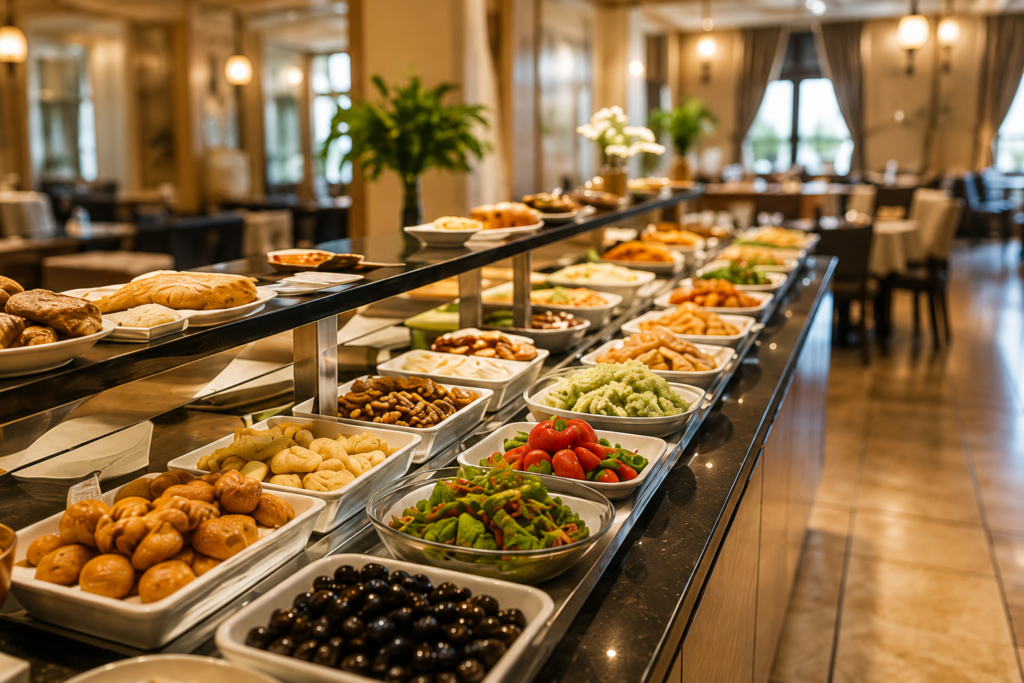
Hotel buffets may seem like just an extra benefit, but in reality, they can be a powerful tool for reducing food expenses when used wisely.
For example, breakfast buffets often offer a wide variety of foods that can cover a large part of your daily energy needs. If used properly, this meal can reduce your need for additional meals later in the day or at least make them lighter and cheaper.
However, many travelers fail to take full advantage of this. They eat lightly in the morning and later spend more on additional meals. Smart use of buffets means treating them as a full, filling main meal rather than a quick snack.
Smart Shopping: The Difference Between Control and Overspending
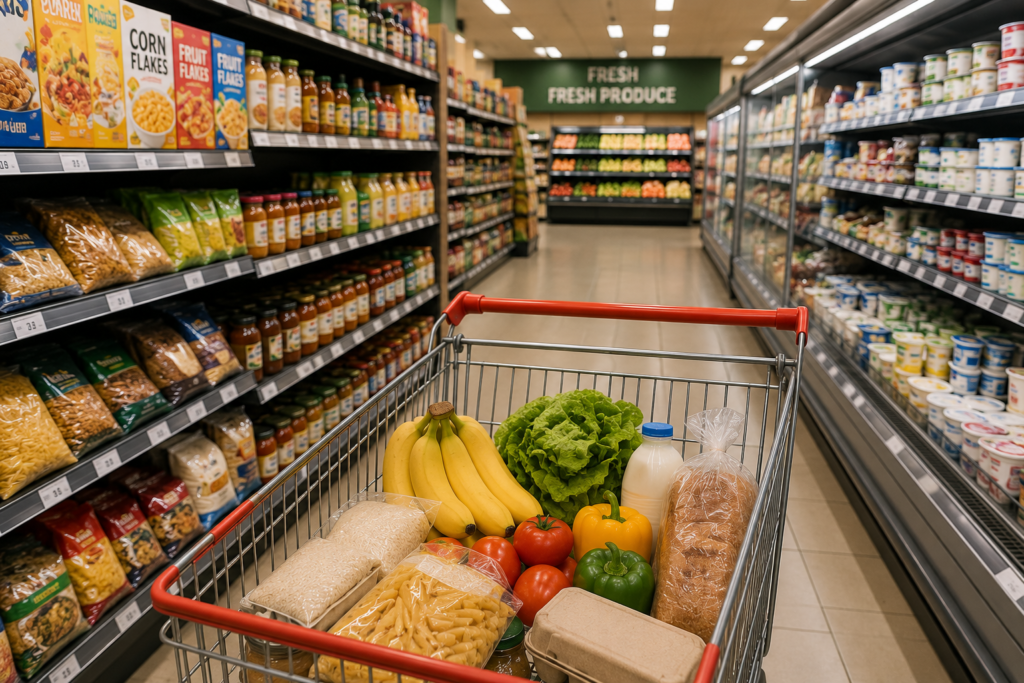
One of the biggest mistakes travelers make is buying randomly from small shops near hotels, which often charge higher prices due to their tourist location. This may feel convenient but quickly drains the budget.
In contrast, shopping at local markets or large supermarkets offers significant savings. The same products can cost much less, and with simple planning, you can buy supplies for several days at once instead of making daily purchases.
This type of organization not only saves money, but also reduces the daily stress associated with constantly searching for food, making the trip more stable and comfortable, and it is also an essential part of budget-friendly family travel strategies, which rely on advance planning and reducing unnecessary expenses to ensure a comfortable and cost-effective travel experience.
Choosing Restaurants Wisely: Between Experience and Cost
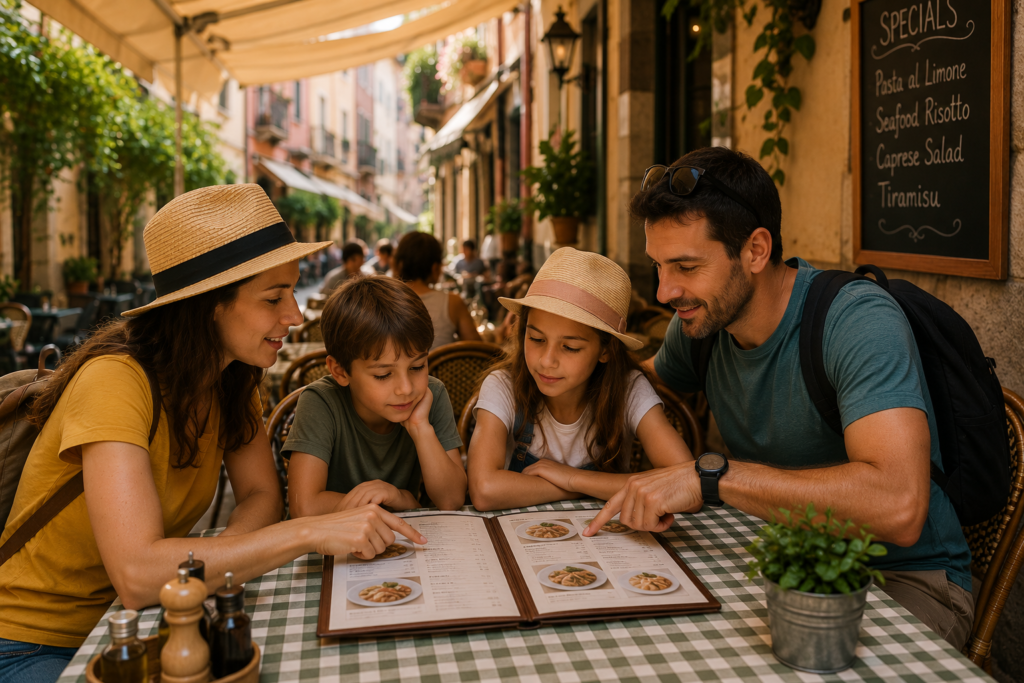
Eating out is an important part of travel, but it requires smart choices. Restaurants near tourist attractions usually target visitors with high prices and average quality, while places slightly farther away or frequented by locals often offer better food at lower prices.
Using apps and reviews helps, but the key is not choosing the first available option. Another effective strategy is sharing large meals among family members, which reduces costs without affecting the experience.
Fast Food While Traveling: Convenience That Can Become Expensive
Fast food may seem like a practical option during travel, but it quickly becomes an unplanned expense if used daily. It is not only more expensive than homemade meals but also less healthy in the long term.
The solution is not complete avoidance, but reducing reliance on it by preparing simple alternatives in advance. Carrying snacks during outings significantly reduces the need for spontaneous purchases and gives more flexibility during the day.
Balance Between Saving and Enjoying: The Real Secret of Smart Travel
Despite all the tips above, the most important point is not turning saving money into something that ruins the joy of travel. A large part of travel enjoyment comes from trying local food, exploring new cuisines, and experiencing the culture of a country through its meals.
Therefore, the ideal approach is balance: reduce unnecessary expensive meals without eliminating them completely, and allocate part of your budget for carefully chosen dining experiences. This way, you get the best of both worlds: enjoyable experiences and smart spending.
Ultimately, controlling food expenses during travel is not just about saving money, but about adopting a smarter way of thinking that makes the trip more efficient and enjoyable. Through simple decisions such as choosing suitable accommodation, using kitchen facilities, taking advantage of buffets, and shopping from local markets, it is possible to significantly reduce costs without feeling deprived.
Smart travel does not mean spending less only it means getting more value for what you spend, and returning from your trip with beautiful memories and a rich experience without financial stress or regret.