





Finding the travel with kids experience can be both exciting and overwhelming. Between choosing the perfect destination, booking flights, and planning activities, many families struggle to organize a trip that is enjoyable for both adults and children. Studies show that over 60% of families feel stressed or less satisfied with trips when they fail to plan according to their children’s needs.
However, the real secret to successful family travel is not only about where you go, but when you go based on your child’s developmental stage. Each age group has different physical, emotional, and behavioral needs that directly affect how they experience travel. When timing is aligned with these needs, the journey becomes smoother, more enjoyable, and far less stressful for parents.
In this guide, we will explore the ideal travel timing for every stage of childhood, along with practical strategies that help families create balanced, enjoyable, and well-organized trips.
Why Timing Matters When Traveling with Kids
Timing plays a crucial role in shaping the quality of any family trip. Children experience travel differently depending on their age and routine stability, but timing alone is not enough without understanding how to organize travel documents and essentials to ensure smooth transitions throughout every stage of the journey.
Another important factor is environmental timing, such as weather conditions, crowd levels, and seasonal pricing. Traveling during off-peak seasons not only reduces costs but also minimizes stress caused by overcrowded attractions and long waiting times. Additionally, selecting the right period of the day such as morning departures or aligning flights with sleep schedules can significantly reduce fatigue and improve overall comfort.
Ultimately, proper timing transforms travel from a stressful experience into a smooth and memorable family journey.
Best Time to Travel with Babies (0–2 Years)
Traveling with babies requires a highly flexible and comfort-focused approach. At this stage, infants depend entirely on predictable routines, especially related to sleep, feeding, and comfort. The most suitable time to travel is during mild weather seasons, where extreme temperatures do not affect the baby’s health or mood.
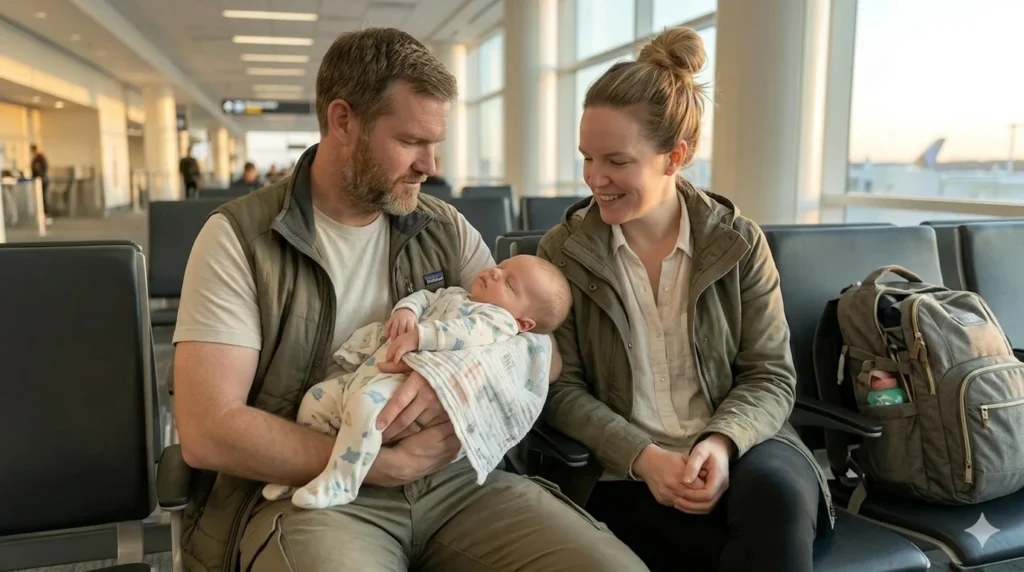
Short-duration trips are generally more effective than long journeys, as they reduce exposure to fatigue and environmental changes. Morning flights or travel aligned with nap schedules are often easier to manage because babies tend to sleep through part of the journey
Parents should also consider destinations with accessible medical services and baby-friendly infrastructure such as clean feeding areas, stroller access, and quiet environments. Preparing a well-organized travel bag with essentials like extra clothes, formula, diapers, wipes, and basic medications is essential. The key to success at this stage is minimizing disruption and prioritizing comfort over activity.
Best Time to Travel with Toddlers (2–4 Years)
Toddlers are naturally active, curious, and emotionally expressive, which makes travel both fun and challenging. The best travel timing for this age group is typically in the morning hours when energy levels are higher and mood stability is better. Avoiding late-night travel is important, as fatigue often leads to irritability and behavioral outbursts.
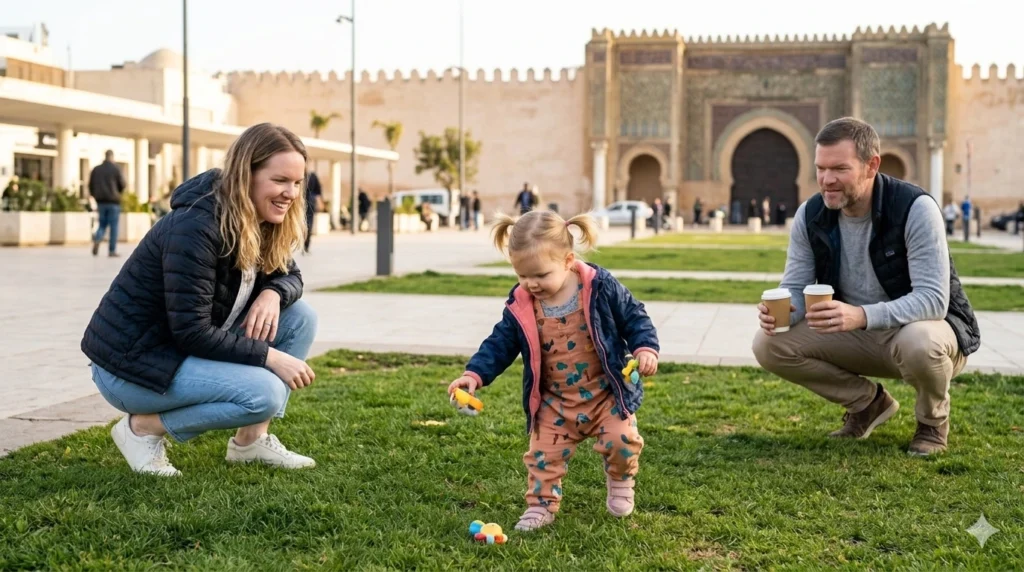
Travel experiences should be structured around short and flexible activities rather than long schedules. Toddlers respond well to environments where they can move freely, such as parks, open playgrounds, or family-friendly resorts. Weather also plays a significant role mild temperatures are ideal, as extreme heat or cold can quickly affect comfort levels.
In addition, frequent breaks, hydration, and snack planning are essential to maintaining a stable mood. Parents often find that allowing toddlers small choices during the trip, such as selecting a snack or toy, helps reduce resistance and increases cooperation throughout the journey.
Best Time to Travel with Preschoolers (4–6 Years)
At the preschool stage, children begin to develop curiosity and a stronger interest in learning through experience. This makes them ideal candidates for short holiday breaks or well-structured weekend trips. The best timing is often during school holidays, where there is no pressure from academic routines, allowing for more relaxed travel planning.
Preschoolers benefit greatly from a balanced mix of fun and learning. Activities such as nature exploration, interactive exhibits, and simple cultural experiences are highly effective. However, overstimulation can quickly lead to fatigue, so downtime is just as important as activity time.
Maintaining a consistent sleep routine is crucial, even during travel. Parents should also incorporate quiet periods during the day, such as reading time or rest breaks, to help children recharge. Travel games, storytelling, and educational apps can help maintain engagement during transportation.
Best Time to Travel with School-Aged Kids (6–12 Years)
Children in this age range are more adaptable and can handle longer and more structured trips. School holidays remain the most practical travel period, especially summer and mid-term breaks. At this stage, children can actively participate in planning, which increases excitement and emotional investment in the trip.
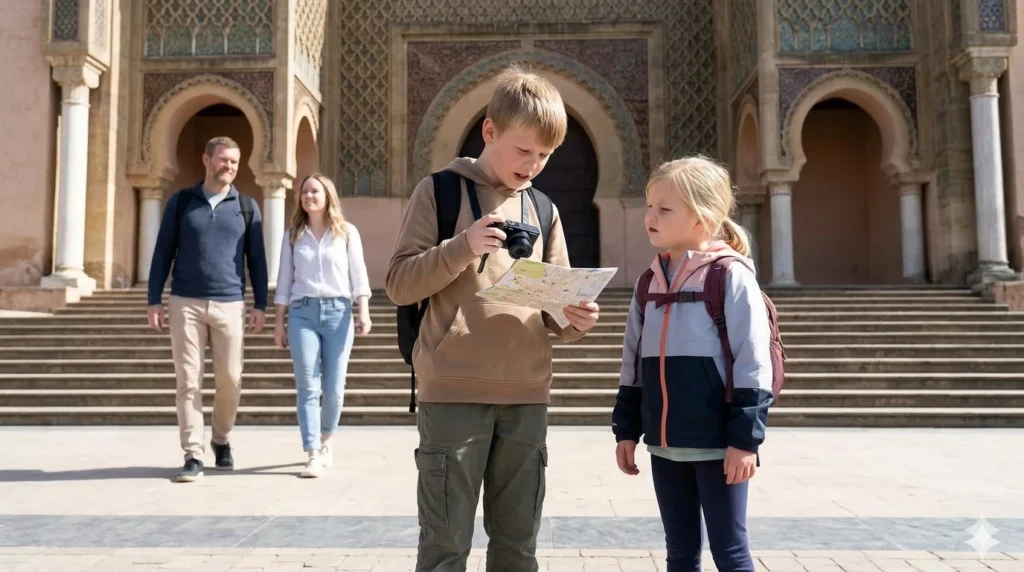
This age group enjoys a combination of educational and recreational experiences. Historical landmarks, museums, adventure parks, and cultural destinations are particularly suitable. Unlike younger children, they can handle busier schedules, but balance is still important to avoid exhaustion.
Encouraging independence such as letting them choose activities or manage small responsibilities enhances their confidence and makes the trip more meaningful. Rest periods should still be included, especially after physically demanding activities like walking tours or outdoor excursions.
Best Time to Travel with Teenagers (13–18 Years)
Teenagers require a more flexible and autonomy-driven approach to travel. The best timing usually aligns with long school holidays or seasonal breaks, allowing enough time for both family bonding and personal exploration.
At this stage, social connection, entertainment, and independence become key priorities. Teenagers appreciate trips that include a mix of group activities and personal free time. Avoiding overly crowded destinations can reduce stress and improve overall satisfaction.

Giving teenagers a role in planning the itinerary increases engagement and reduces resistance. Whether it is choosing restaurants, activities, or daily schedules, involvement fosters responsibility and improves the travel experience. A balance between structure and freedom is essential for this age group.
General Tips for Choosing the Best Time to Travel with Kids
Successful family travel depends on more than just age-specific timing. Families should also consider broader planning strategies such as:
- Monitoring weather patterns and seasonal changes before booking
- Aligning travel dates with school calendars and family routines
- Choosing travel durations that match children’s stamina levels
- Planning rest days within longer trips to avoid burnout
- Preparing flexible itineraries that can adapt to unexpected changes
- Ensuring proper sleep, hydration, and meal consistency during travel
These factors work together to create a smoother and more enjoyable travel experience for the entire family.
Common Mistakes When Choosing Travel Timing
One of the most common mistakes families make is choosing travel dates based solely on availability or price without considering children’s needs. This often leads to fatigue, stress, and reduced enjoyment.
Another frequent issue is overloading the schedule with too many activities in a short time. While it may seem productive, it often results in exhaustion, especially for younger children. Ignoring rest periods is equally problematic, as tired children are more likely to become irritable and less cooperative.
Finally, last-minute bookings can create unnecessary pressure, higher costs, and limited options, which negatively affects the overall quality of the trip.
Understanding the importance of timing is essential for creating successful family trips. Every child’s stage of development influences how they experience travel, and adjusting plans accordingly leads to more enjoyable and stress-free journeys.
When families carefully align schedules, environments, and expectations, the result is a smoother and more meaningful experience for everyone involved.
Ultimately, mastering the art of planning around the travel with kids journey transforms ordinary vacations into unforgettable family memories.