





Losing a passport at the airport, searching endlessly for a boarding pass, or realizing too late that an important paper is missing these are not rare travel problems, but common mistakes that can instantly turn an exciting trip into a stressful experience. The difference between smooth travel and unnecessary chaos often comes down to one simple factor: preparation.
Mastering how to handle your travel documents and essential items is not just about being organized it is about creating a system that supports you throughout your journey. When everything is structured, accessible, and secure, you eliminate uncertainty and gain full control over your travel experience.
This comprehensive approach goes far beyond basic checklists. It offers a structured way of thinking about organization helping you prepare smarter, move faster, and stay confident at every stage of your journey.
Build a Clear Organizational Framework Before Packing
Effective travel organization begins long before you open your suitcase. Many travelers fall into the trap of packing first and thinking later, which often leads to clutter, confusion, and forgotten essentials.

A more advanced method is to create a clear organizational framework. This means identifying all categories of items you will need—such as identification, finances, health, technology, and daily-use essentials and planning how each category will be stored and accessed.
This structured thinking transforms packing from a random activity into a strategic process. Instead of reacting to situations during travel, you are prepared for them in advance.
Prioritize Accessibility Over Perfection
One of the biggest mistakes travelers make is focusing too much on neatness and not enough on accessibility. A perfectly organized bag is useless if you cannot quickly find what you need in a critical moment.
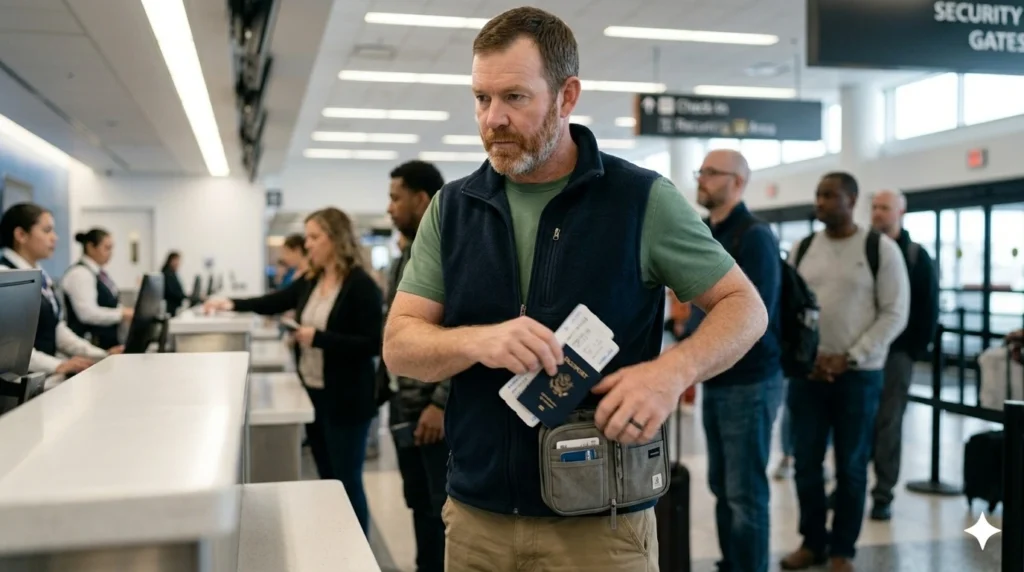
Items that you will need frequently such as identification, boarding passes, payment methods, and your phone should always be within immediate reach. These should be placed in a small, dedicated space that you can access without opening your main luggage.
This approach reduces stress in high-pressure situations like airport checkpoints or hotel check-ins, where speed and clarity are essential.
Create Functional Zones Inside Your Luggage
Instead of treating your suitcase as one large storage space, divide it into functional zones based on real-life use.
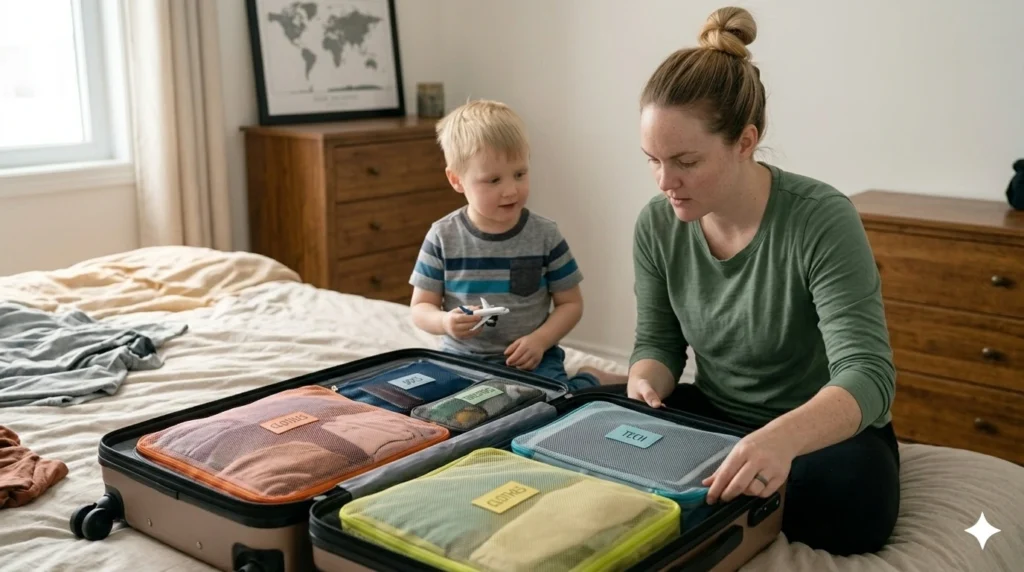
For example, one section can be dedicated to transit essentials (items you need during movement), another for clothing, and another for personal care items. This zoning system allows you to interact with your luggage more efficiently.
When everything has a designated place, you avoid unnecessary searching and maintain order throughout the trip, even after multiple days of use.
Combine Physical and Digital Backups Strategically
Relying on a single form of storage either physical or digital creates unnecessary risk. A more reliable system combines both in a strategic way.
Keep physical copies of important documents in a secure folder, but also maintain digital versions stored safely on your phone and in cloud storage. This ensures access under different conditions, whether you are offline, dealing with device issues, or facing unexpected situations.
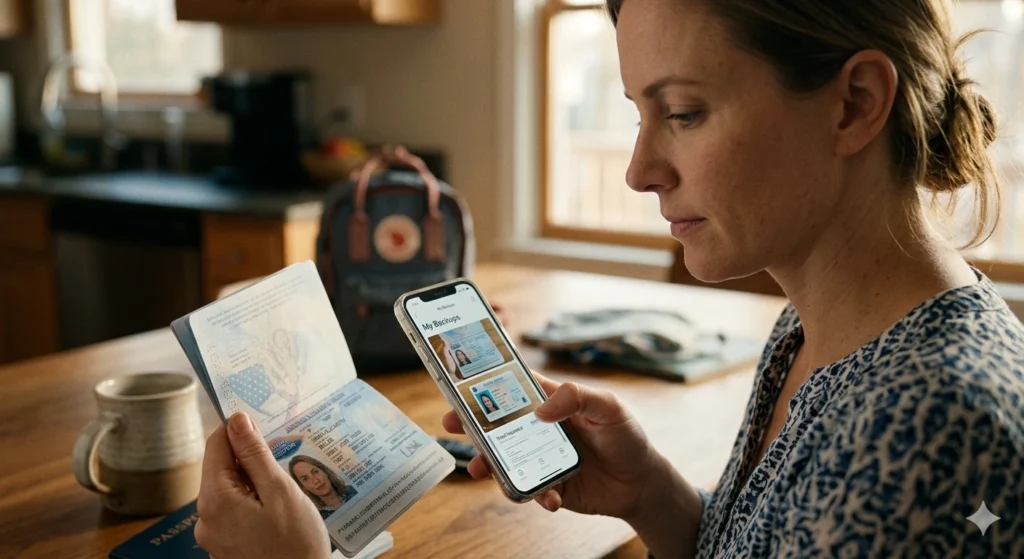
The goal is redundancy without complexity having backups that are easy to access but not overwhelming to manage.
Design a Personal “Essential Access Kit”
Every traveler should have a compact set of critical items that remains accessible at all times. This is not just a convenience it is a safety measure.
This kit should include identification, a small amount of cash, a backup payment option, essential medications, and emergency contact details. Keeping these items in one small, consistent location creates a sense of control and readiness.
In stressful situations, knowing exactly where your most important items are can make a significant difference.
Distribute Risk Instead of Centralizing It
A common yet risky habit is storing all important items in one place. If that bag is lost or stolen, the consequences can be severe.
A smarter strategy is to distribute important items across multiple locations. For example, keep some money in your wallet and some elsewhere, or separate original documents from backup copies.
This method reduces vulnerability and ensures that a single incident does not disrupt your entire trip.
Think in Travel Phases, Not Just Packing
Travel is not a single moment it is a sequence of stages, including departure, transit, arrival, and daily activities at your destination.
Organizing your items based on these phases allows you to anticipate your needs at each stage. For instance, what you need at the airport is different from what you need at your hotel.
By aligning your organization with real travel scenarios, you reduce friction and make every transition smoother.
Smart Tips to Improve Your Travel
Small adjustments can significantly enhance your organization system. Using packing organizers can help maintain order inside your luggage and make items easier to locate.
Keeping a digital checklist ensures that nothing is forgotten before departure or during repacking. It is also helpful to review your items before each trip and remove anything unnecessary to keep your system efficient and lightweight.
Another useful habit is maintaining simple routines during travel, such as always returning items to the same place after use. This consistency prevents disorder from building up over time and supports the idea of Plan a Family Trip Without Stress, where small organized habits reduce pressure and make the overall experience smoother.
Common Mistakes That Increase Travel Stress
Overcomplicating your system is one of the most common mistakes. Trying to create a perfect or overly detailed setup often leads to confusion instead of clarity.
Another issue is ignoring real-life usage patterns. Organizing items without considering when and how they will be used makes the system ineffective.
Relying on memory instead of structure is also risky, as it increases the chances of forgetting essential items. Additionally, failing to adapt your organization style to different types of trips—short, long, domestic, or international can reduce efficiency.
The most effective systems are simple, flexible, and designed around real behavior.
True organization is not about perfection it is about control, clarity, and readiness. When your travek docunents and essential items are arranged within a thoughtful system, every part of your journey becomes easier to manage.
By focusing on accessibility, building smart structures, and preparing for real-life situations, you eliminate unnecessary stress and travel with confidence. In the end, effective organization allows you to shift your attention away from logistics and toward what truly matters enjoying the journey.