




Packing for a family trip often feels simple at first, until you actually start doing it.
You begin with good intentions, maybe even a rough idea of what to bring. Then suddenly, things get messy. You add extra clothes “just in case,” you worry about forgetting something important for the kids, and before you know it, the suitcase is full, heavy, and still doesn’t feel complete.
The real challenge is not packing more. It is packing in a way that works for real life during the trip. When you travel as a family, you are not preparing for perfect days. You are preparing for unexpected moments, tired kids, quick changes, and limited time.
This guide will walk you through a simple and practical way to pack. Not perfectly, but realistically. So you can travel lighter, stay organized, and avoid the small mistakes that usually create the biggest stress.
Step-by-Step: How to Pack a Suitcase for a Family Trip
The easiest way to make packing less stressful is to stop thinking of it as one big task. Instead, treat it like a simple process with a clear order. When you follow a structured approach, packing becomes faster, more organized, and far less overwhelming.
Step 1: Choose the Right Suitcase Size
The process starts before you pack anything. Choosing the right suitcase sets the tone for everything that follows.
Many families either pick a suitcase that is too small and struggle to fit everything in, or choose a large one and end up filling it with unnecessary items. A better approach is to match your suitcase to your trip, not your fears.
Think about how many days you are traveling, how often you can rewear outfits, and whether you will have access to laundry. This helps you choose a size that fits your real needs instead of overpacking “just in case.”
Step 2: Plan and Group by Category
One of the biggest sources of stress is packing without a clear plan. This is when you start adding things randomly, second-guess your choices, and still forget something important.
A simple packing list solves this immediately. It does not need to be complicated. Just divide your items into clear categories such as clothing, toiletries, documents, and kids’ essentials.
Once you start packing, avoid separating items by person. That often wastes space and creates confusion during the trip. Instead, group items by type. Keep all shirts together, all pants together, and so on.
This approach makes it easier to:
- See what you actually packed
- Avoid duplicates
- Find things quickly without unpacking everything
If you want a ready structure, you can follow Best Packing List for Family Travel or use a more detailed system in Family Travel Essentials Checklist.
Step 3: Use Smart Packing Techniques
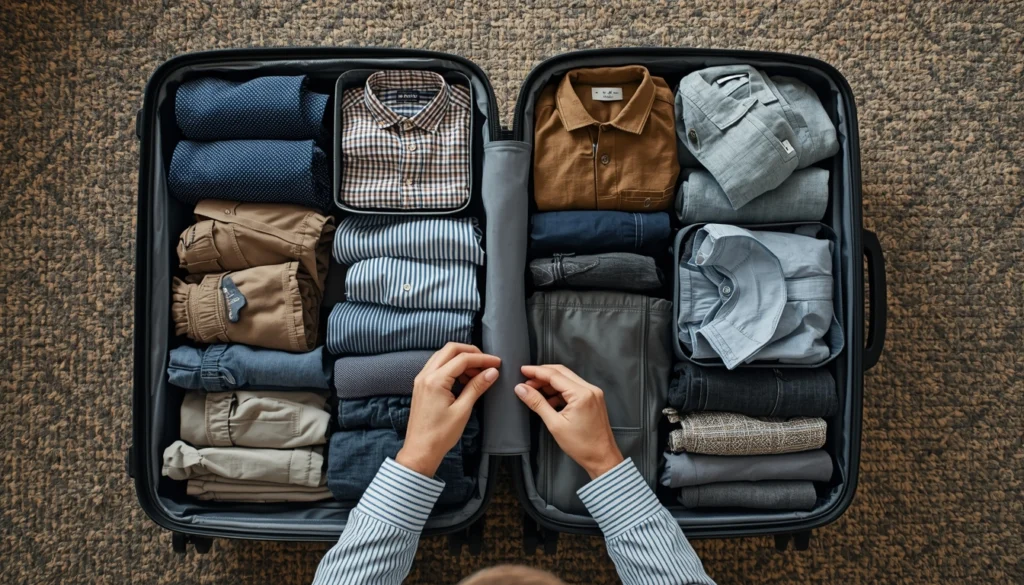
How you place your clothes inside the suitcase makes a bigger difference than most people expect. Rolling clothes works well for saving space and keeping items compact, especially for kids’ clothing. Folding works better for bulkier or structured pieces.
Packing cubes can also help. They do not create extra space, but they keep everything organized. After the first day, when the suitcase starts to get messy, this structure becomes extremely useful.
Step 4: Distribute Weight the Right Way
A suitcase packed without thinking about weight quickly becomes difficult to handle.
Placing heavier items like shoes at the bottom keeps the suitcase stable and easier to move. Lighter items should go on top to avoid wrinkles and make them easier to access.
This small adjustment makes a noticeable difference, especially in airports or when changing locations.
Step 5: Keep Essentials Within Easy Reach
Before closing your suitcase, think about the first few hours of your trip.
This is where many families struggle. The things you suddenly need are always at the bottom.
To avoid this, keep essential items easy to reach:
- Extra clothes for the kids
- Basic toiletries
- Snacks
- Important documents
Having these ready makes transitions smoother and reduces stress after long travel hours.
Step 6: Do a Final Quick Check
Before you zip up your suitcase, take a moment to review everything. This does not need to be a long process. A quick check helps confirm that the most important items are packed and nothing essential is missing. This small habit can save you from unnecessary stress later.
Packing for Kids and Family Needs
Packing for a family is not just about adding more items. It changes the way you think about packing. Adults can usually adapt. If something is missing, it is manageable. With kids, small details matter more. A missing item can quickly turn into discomfort, and that affects the entire day.
A common mistake is overpacking in an attempt to be fully prepared. In reality, this often creates a different problem: heavy luggage and difficulty finding what you need.
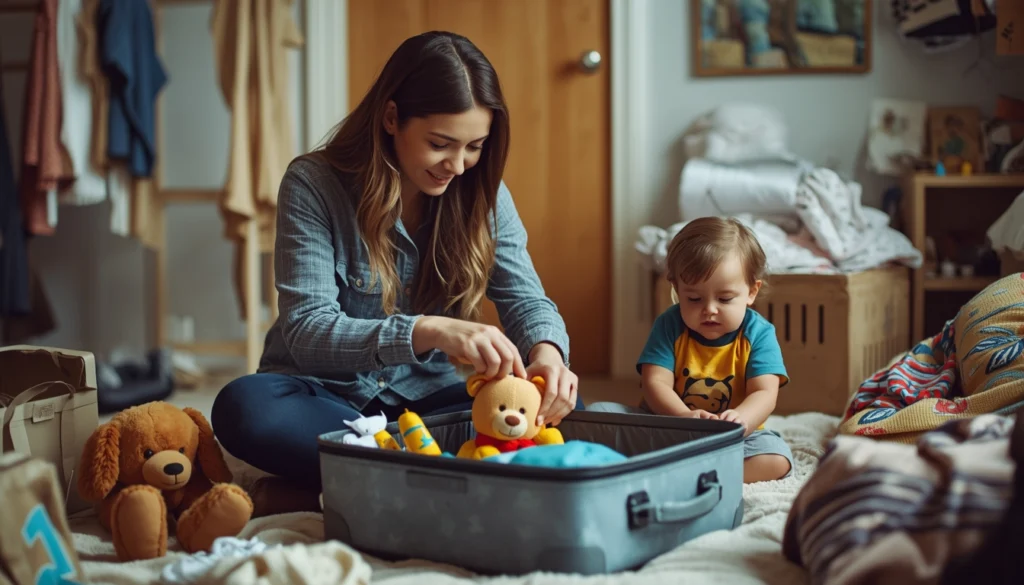
A better approach is to focus on real daily needs. Kids need comfort, flexibility, and a few backup options, not an entire wardrobe.
Small decisions make a big difference:
- One extra outfit in your carry-on
- A familiar toy
- Basic medication
If you want a deeper breakdown, you can explore How to Pack for Kids or How to Pack Baby Essentials for Travel.
Pack Efficiently Without Overpacking
Overpacking usually comes from trying to prepare for every possible situation.
You start asking yourself “what if” too many times, and slowly add things you will probably never use.
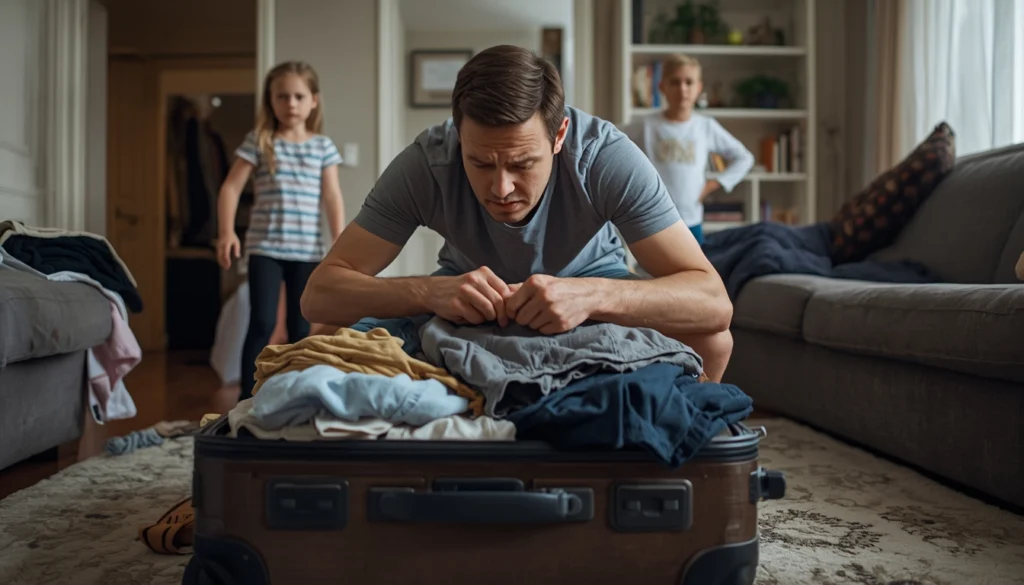
A more effective approach is to pack for realistic days, not hypothetical ones.
Think about what you normally wear over a few days and build around that. Choose clothes that can be mixed and reused. Limit shoes to what you actually need.
Many experienced families follow simple rules:
- Plan outfits instead of random pieces
- Repeat clothes when possible
- Accept that doing laundry is easier than carrying extra luggage
If you want a practical system, you can check How to Avoid Overpacking for Family Trips or How to Pack Light with Kids.
Organize Your Suitcase Like a Pro
Packing is not just about fitting items inside a suitcase. It is about being able to use them easily during the trip.
A suitcase can look organized at home but become messy after one or two days without a clear system.
Instead of organizing by person, organize by function. Group sleepwear, daily outfits, and activity-specific items separately.
Simple tools like packing cubes or small bags help maintain that structure. They reduce the need to search, unpack, and reorganize constantly.
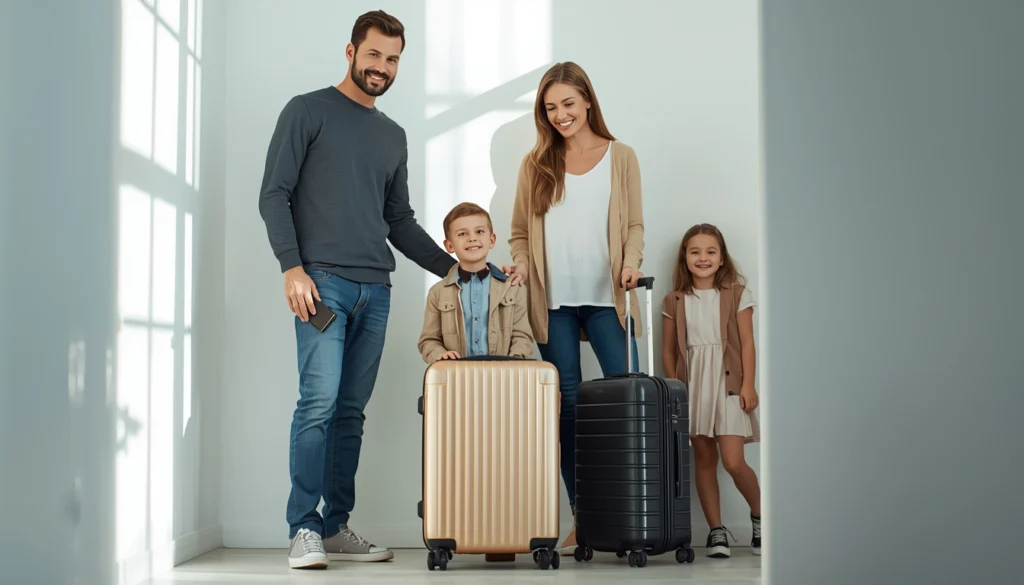
Toiletries are another area often overlooked. Without organization, they leak, get lost, or take up unnecessary space. You can explore this further in Packing Toiletries for Kids Travel or How to Organize a Suitcase Efficiently.
Special Situations You Need to Plan For
Some trips require extra attention when packing.
Long flights are a good example. What matters most is not what is in your suitcase, but what you keep close to you. Kids get tired and bored easily, and small items like snacks, simple entertainment, or an extra outfit can completely change the experience.
Traveling between multiple destinations can also create confusion. Many families pack as if they are going on separate trips, which leads to overpacking. A better approach is to focus on versatile items that work in different situations.
For more guidance, you can explore Packing Tips for Long Flights with Kids or How to Pack for Multiple Destinations.
Common Packing Mistakes Families Make
Most packing mistakes are not about forgetting items. They come from how decisions are made before the trip.
Overpacking based on fear is one of the most common issues. Another is relying on a perfect plan that does not match real travel conditions.
Poor organization also becomes a problem during the trip. When everything is mixed together, even a well-packed suitcase becomes frustrating to use.
There is also a tendency to follow ideal packing setups without adapting them to your own situation.
If you want to avoid these mistakes, you can explore Family Travel Packing Mistakes and What Not to Pack for Family Travel.
Packing for a family trip is not about getting everything right from the beginning. It is about building a simple system that improves with every trip.
You will forget things, and you will bring things you do not need. That is part of the process.
What matters is learning from each experience and adjusting over time. The more you focus on simplicity and realistic planning, the easier packing becomes.
And once packing feels under control, the entire trip becomes smoother, lighter, and far more enjoyable.